








Ce materiale sunt utilizate în mod obișnuit pentru niturile goale și cum le afectează performanța?
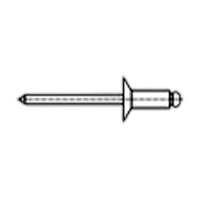
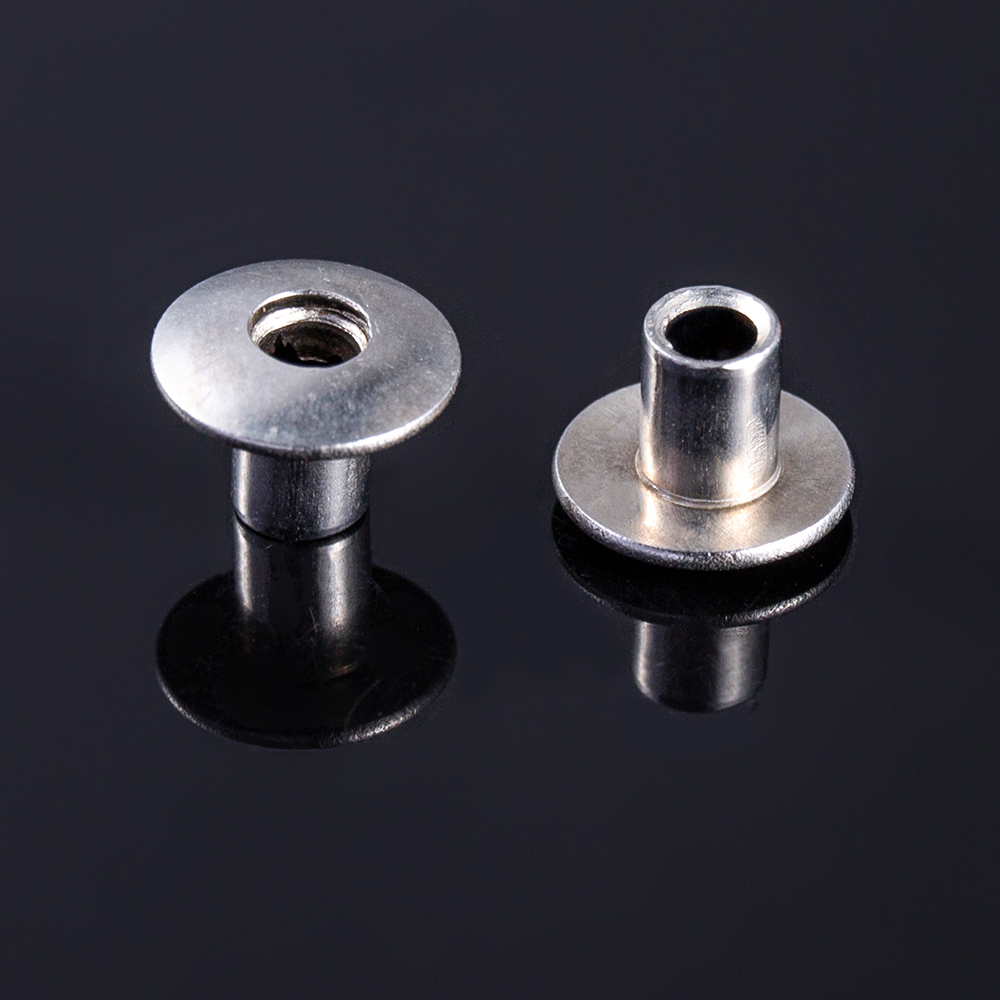
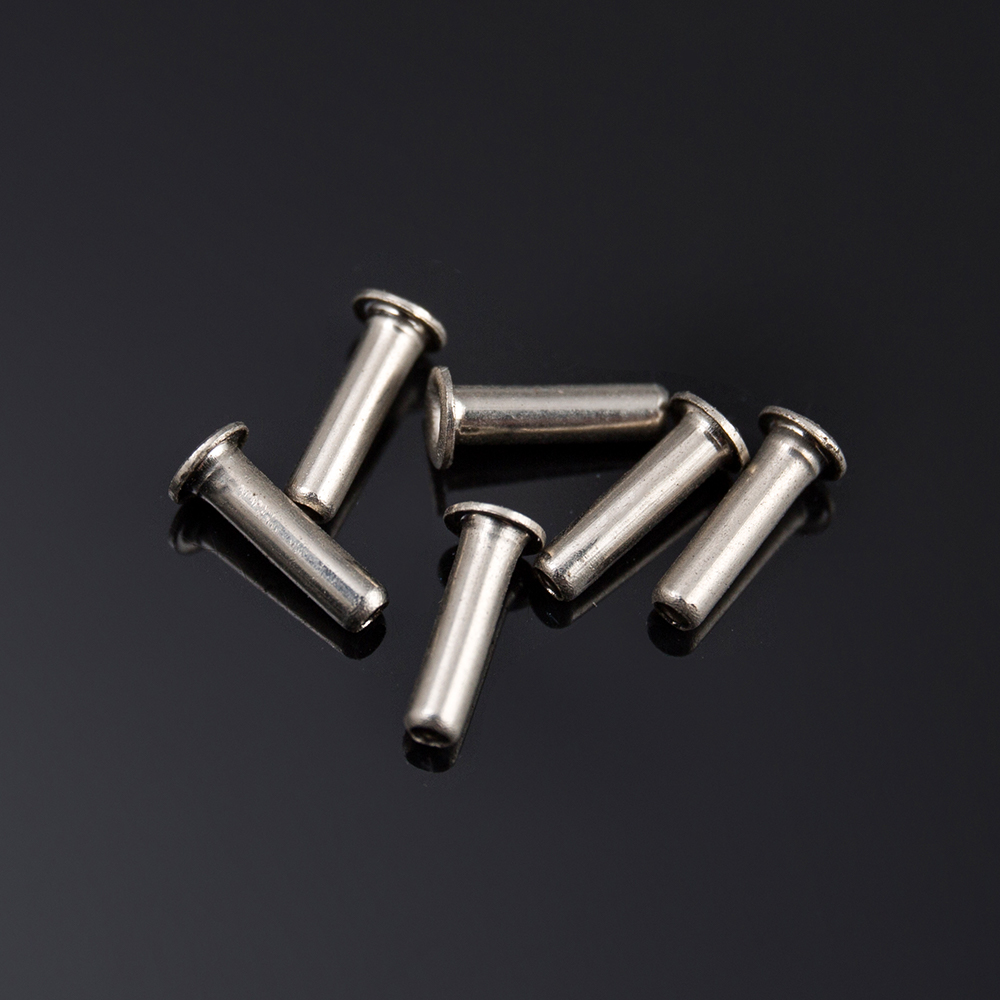
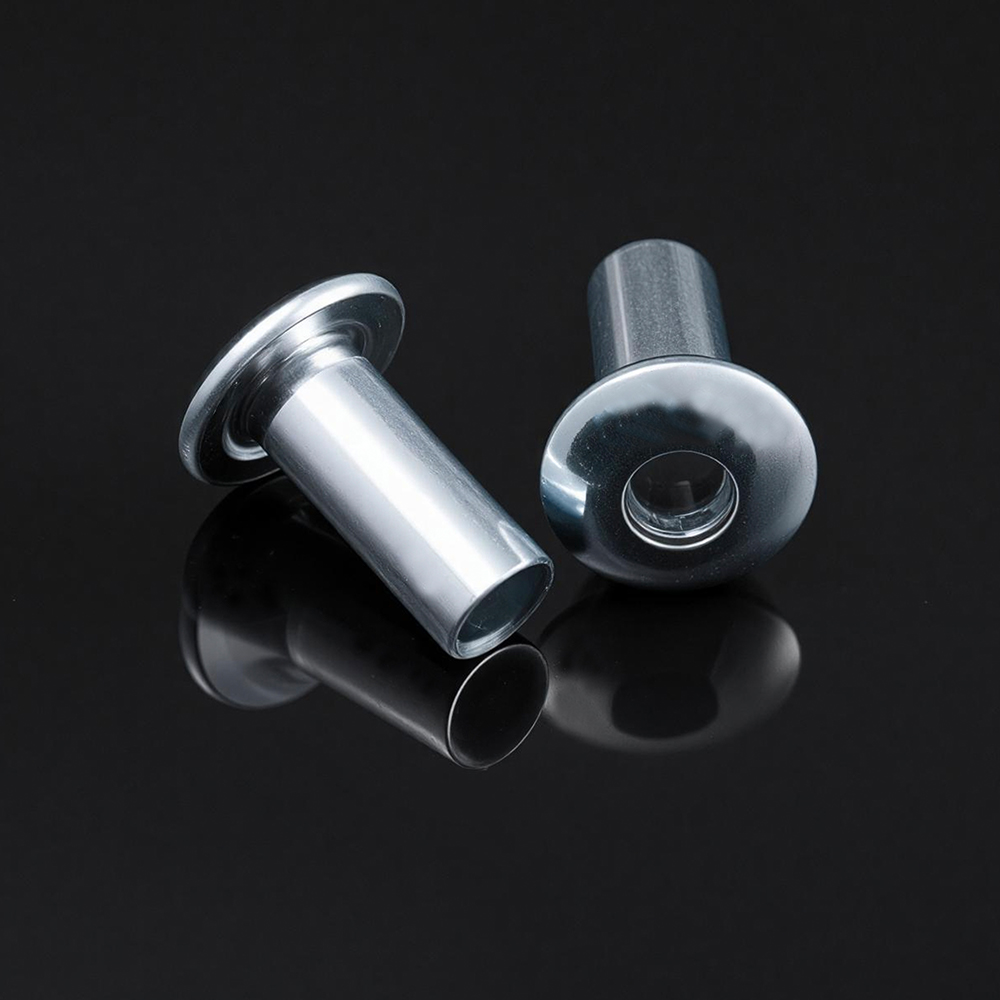
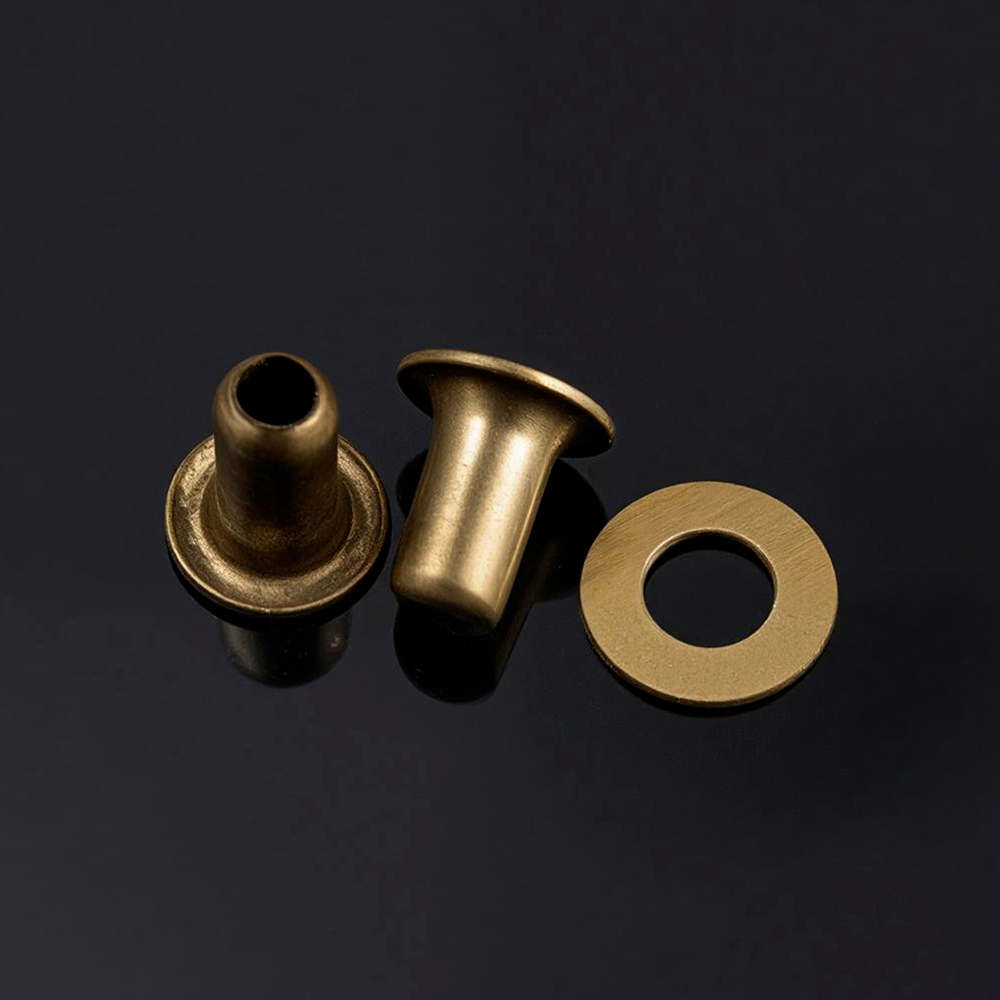
Nituri goale sunt componente de fixare fabricate cu o secțiune goală în interiorul corpului nitului, permițând o deformare mai ușoară în timpul instalării, menținând în același timp performanța de conectare fiabilă. Materialul selectat pentru niturile tubulare afectează direct rezistența mecanică, rezistența la coroziune, greutatea, durabilitatea și potrivirea acestora pentru diferite medii industriale.
În producția modernă, selecția materialului este un factor critic în proiectarea soluțiilor de prindere. Diferitele industrii necesită caracteristici de performanță diferite, cum ar fi construcția ușoară, capacitatea de încărcare mare, rezistența la coroziune sau stabilitatea pe termen lung în funcționare continuă. Prin urmare, inginerii trebuie să evalueze condițiile de aplicare înainte de a selecta materialele potrivite pentru niturile goale.
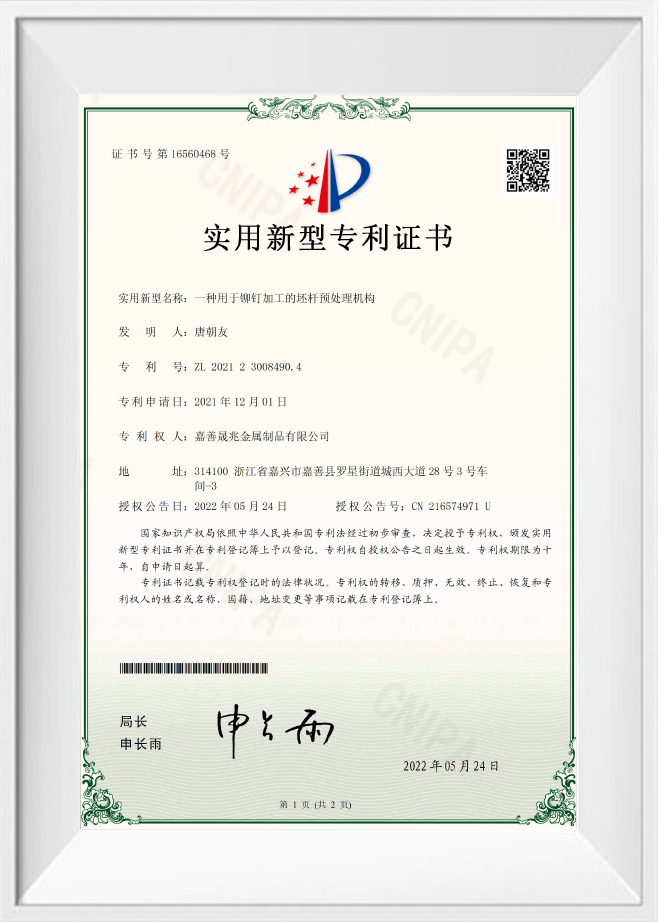
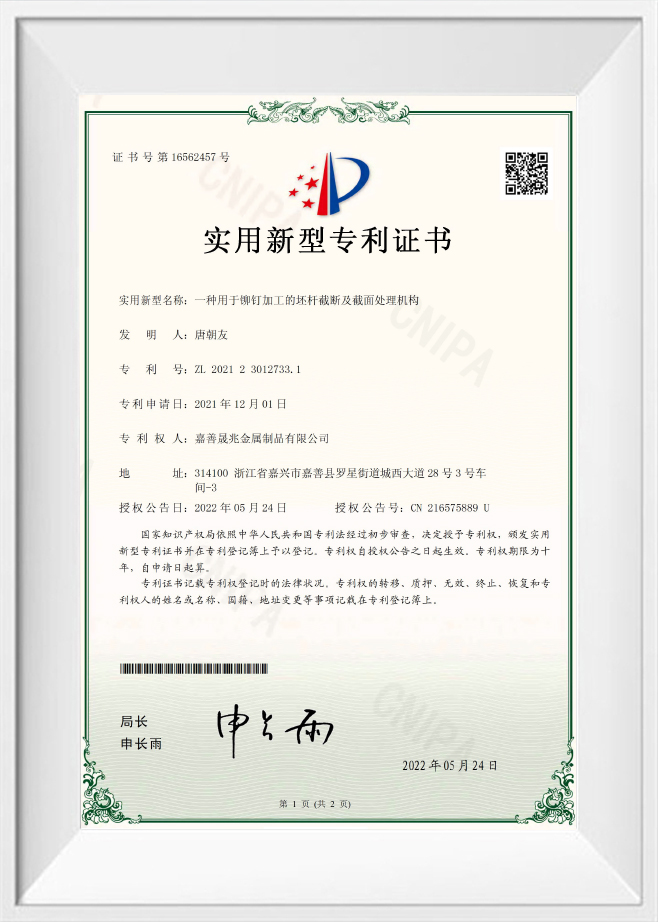
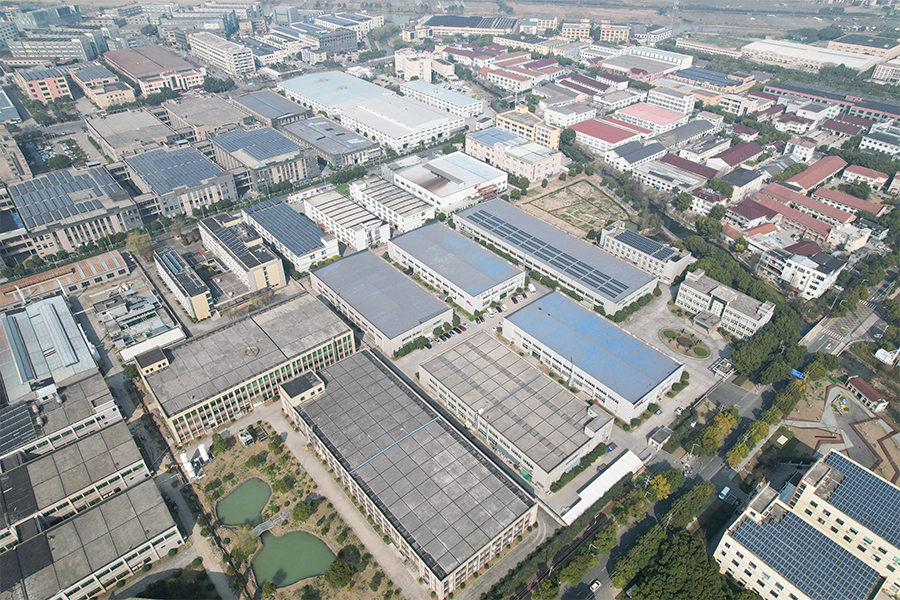
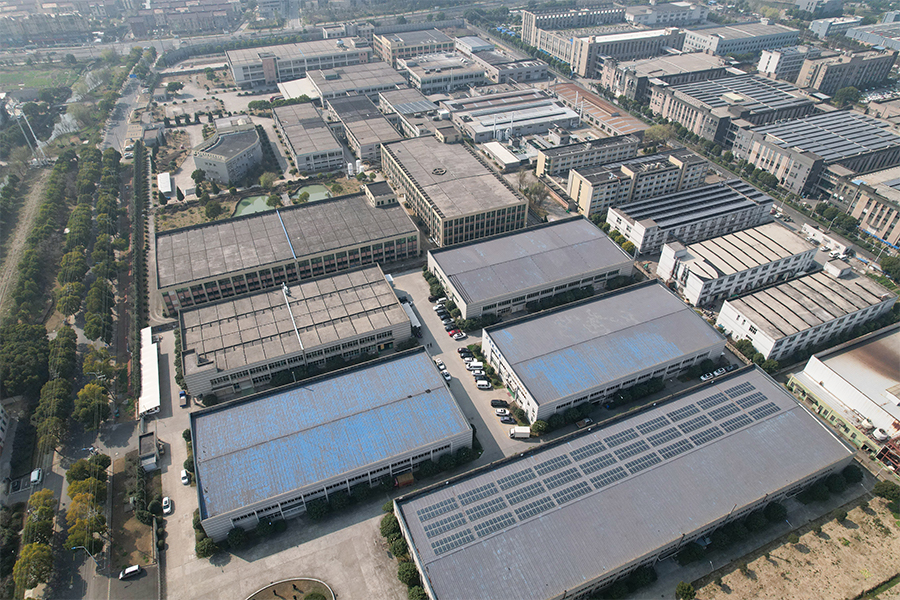
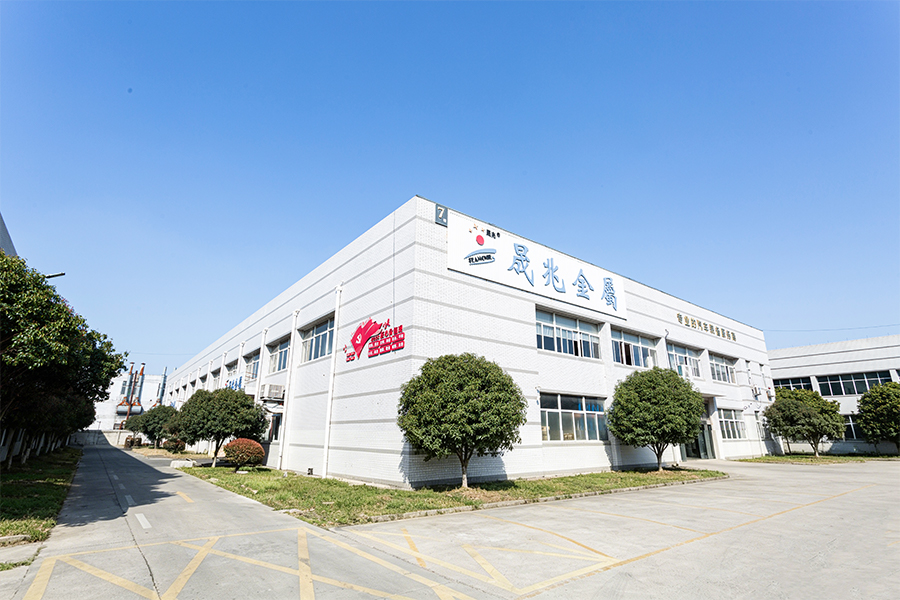
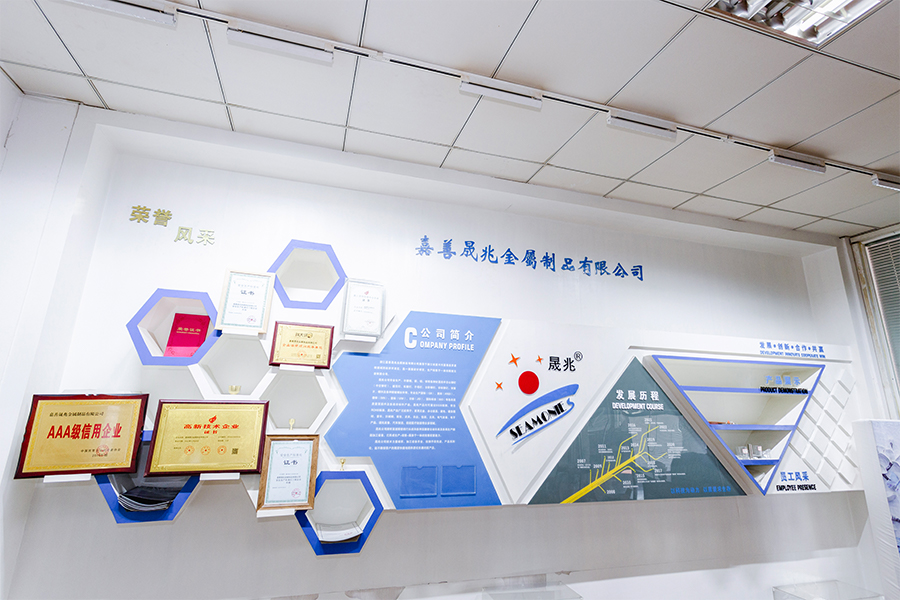
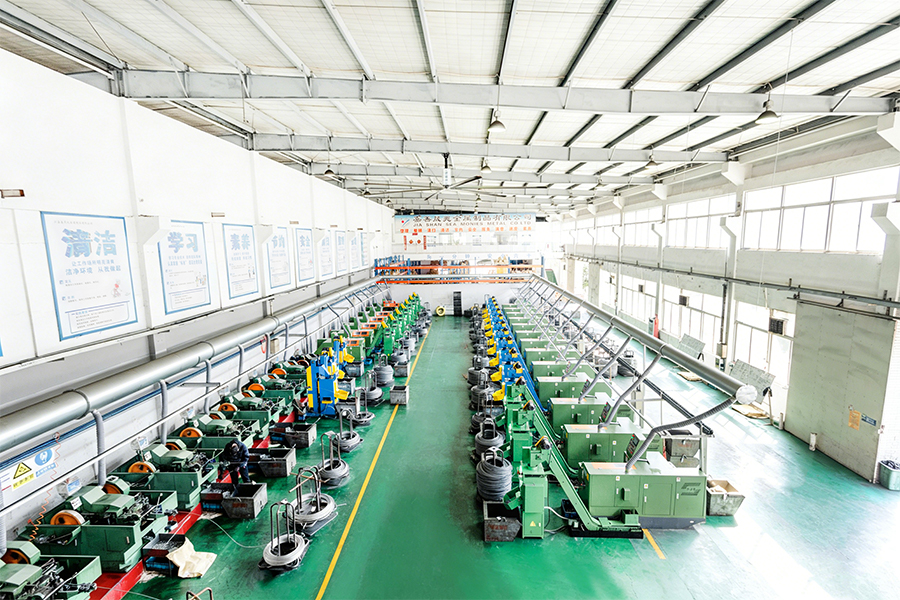
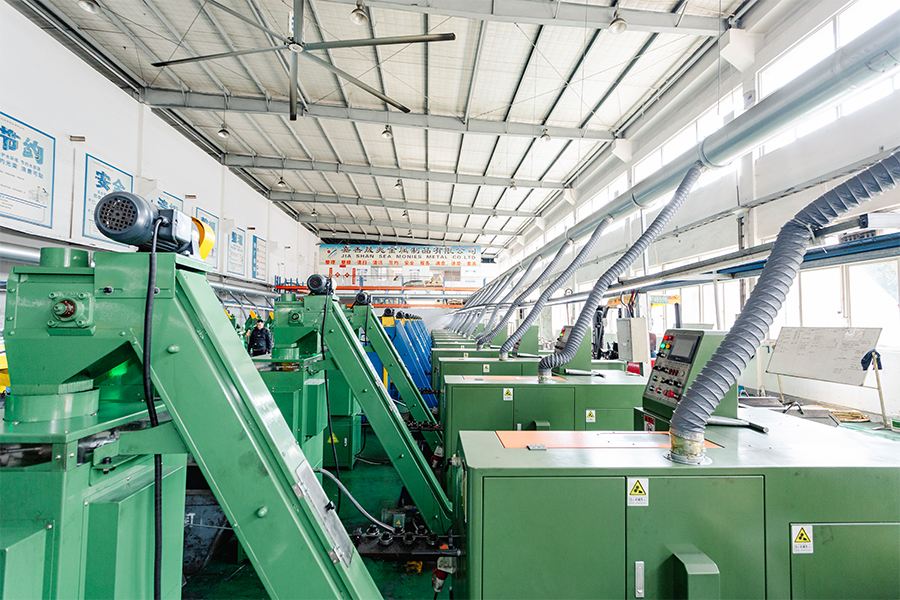
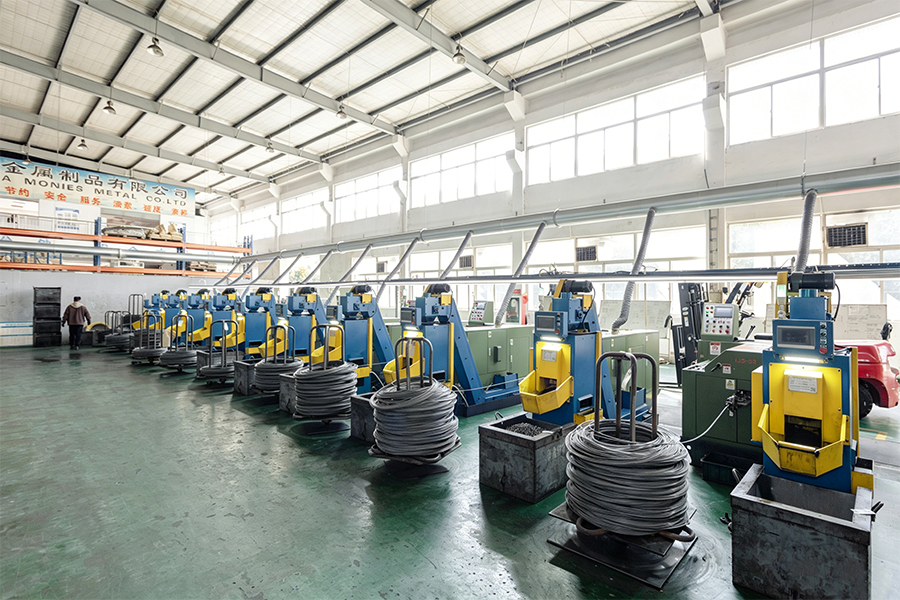
Zhejiang Chance & Union Import and Export Co., Ltd. (Chance & Union) este specializată în elemente de fixare de înaltă rezistență. Compania oferă șuruburi, piulițe, șaibe și piese personalizate din oțel inoxidabil, oțel aliat și multe altele, deservind peste 200 de clienți din 25 de țări. Cu 20 de ani de experiență în industrie, Zhejiang Chance & Union Import and Export Co., Ltd. (Chance & Union) oferă soluții de fixare personalizate, de la cercetare și dezvoltare până la producția de masă.
Pentru aplicații industriale care necesită structuri ușoare și performanțe de fixare fiabile, nituri goale oferiți soluții flexibile cu diferite opțiuni de materiale pentru a satisface diverse cerințe de inginerie.
De ce este importantă selecția materialului pentru niturile goale
Performanța niturilor tubulare depinde în mare măsură de caracteristicile fizice și mecanice ale materialului selectat. Deoarece niturile goale sunt proiectate să se deformeze în timpul instalării, materialul trebuie să asigure un echilibru adecvat între rezistență și capacitatea de formare.
Factorii cheie de selecție a materialelor includ:
- Rezistenta mecanica: Determină capacitatea portantă a nitului după instalare.
- Ductilitate: Afectează cât de ușor poate fi format nitul fără crăpare sau defecțiune.
- Rezistenta la coroziune: Influențează durata de viață în diferite medii.
- Greutate: Important pentru aplicațiile care necesită structuri ușoare.
- Rezistenta la temperatura: Determină adecvarea pentru condiții de funcționare la temperaturi ridicate.
Materiale obișnuite utilizate pentru niturile goale
Sunt selectate diferite materiale în funcție de cerințele aplicației. Cele mai comune opțiuni de materiale includ oțel inoxidabil, oțel aliat, oțel carbon și aliaj de aluminiu.
| Tip material | Principalele caracteristici | Avantaje de performanță | Cerințe tipice de aplicare |
| Oțel inoxidabil | Rezistență bună la coroziune și proprietăți mecanice stabile | Durată lungă de viață și durabilitate ecologică | Aplicații expuse la umiditate, substanțe chimice sau condiții exterioare |
| Oțel aliat | Rezistență ridicată și performanță mecanică excelentă | Capacitate puternică de încărcare | Ansambluri industriale care necesită rezistență mai mare |
| Oțel carbon | Forță echilibrată și eficiență de procesare | Eficient din punct de vedere al costurilor și potrivit pentru aplicații generale | Cerințe generale de fixare industrială |
| Aliaj de aluminiu | Ușoare, cu rezistență bună la coroziune | Reduce greutatea totală a componentelor | Aplicații care necesită structuri ușoare |
Nituri goale din oțel inoxidabil
Oțelul inoxidabil este selectat pe scară largă pentru niturile tubulare atunci când rezistența la coroziune și durabilitatea pe termen lung sunt importante. Proprietățile sale mecanice stabile îl fac potrivit pentru aplicații expuse la umiditate, substanțe chimice sau condiții de mediu în schimbare.
Avantajele niturilor tubulare din oțel inoxidabil includ:
- Rezistență puternică la coroziune
- Durabilitate bună a suprafeței
- Performanță stabilă în medii solicitante
- Potrivit pentru utilizare industrială pe termen lung
| Factorul de performanță | Oțel inoxidabil Hollow Rivets | Nituri goale din oțel general |
| Rezistenta la coroziune | Rezistență ridicată la expunerea mediului | Necesită protecție suplimentară în medii corozive |
| Durabilitate | Potrivit pentru funcționare pe termen lung | Depinde de protecția suprafeței și de mediu |
| Mediul de aplicare | Potrivit pentru condiții solicitante | Potrivit pentru aplicații industriale generale |
Nituri goale din oțel aliat
Niturile tubulare din oțel aliat sunt selectate atunci când este necesară o rezistență mecanică mai mare. Elementele din aliaj îmbunătățesc proprietățile materialului și permit niturilor să reziste la sarcini mai mari și la solicitări mecanice.
Principalele caracteristici includ:
- Rezistență la tracțiune mai mare
- Rezistență îmbunătățită la uzură
- Performanță mai bună în condiții de solicitare mecanică
- Potrivit pentru aplicații grele
| Cerință de performanță | Oțel aliat Hollow Rivets | Aliaj de aluminiu Hollow Rivets |
| Capacitate de forță | Performanță portantă mai mare | Rezistență redusă cu avantaj de greutate redusă |
| Greutate | Densitate mai mare a materialului | Greutate totală mai mică |
| Avantajul principal | Durabilitate mecanică | Greutate reduction |
Nituri goale din oțel carbon
Oțelul carbon este folosit în mod obișnuit pentru niturile goale, deoarece oferă un echilibru între rezistență, fabricabilitate și eficiență a producției. Este potrivit pentru aplicații în care rezistența extremă la coroziune nu este cerința principală.
Niturile tubulare din oțel carbon sunt utilizate în mod obișnuit pentru:
- Echipamente industriale generale
- Ansambluri mecanice
- Conexiuni componente metalice
- Aplicații de producție în volum mare
Nituri goale din aliaj de aluminiu
Niturile tubulare din aliaj de aluminiu sunt preferate în aplicațiile în care reducerea greutății este importantă. Caracteristicile lor ușoare le fac potrivite pentru industriile care necesită o utilizare eficientă a materialului, menținând în același timp o performanță de fixare fiabilă.
Avantajele cheie includ:
- Greutate redusă a materialului
- Rezistență bună la coroziune
- Instalare ușoară datorită masei reduse
- Potrivit pentru structuri ușoare
Cum afectează materialele performanța nitului gol
Materialul unui nit tubular determină modul în care acesta funcționează în timpul instalării și funcționării. Inginerii trebuie să ia în considerare atât cerințele de instalare, cât și condițiile de service pe termen lung.
| Proprietatea materialului | Impact asupra performanței nitului gol |
| Puterea | Afectează capacitatea de a rezista la sarcini externe și la stres mecanic |
| Ductilitate | Influențează calitatea deformării în timpul instalării |
| Rezistenta la coroziune | Determină adecvarea pentru medii dure |
| Greutate | Influențează greutatea totală a ansamblului |
| Rezistență la temperatură | Afectează performanța în aplicații la temperaturi ridicate |
Ghid de selecție a materialelor pentru diferite aplicații industriale
| Cerința de aplicare | Considerent material recomandat | Motivul principal |
| Rezistență ridicată la coroziune | Oțel inoxidabil | Oferă o durabilitate mai bună a mediului |
| Sarcină mecanică mare | Oțel aliat | Oferă performanță de rezistență mai mare |
| Greutate Reduction | Aliaj de aluminiu | Reduce greutatea generală a structurii |
| Utilizare industrială generală | Oțel carbon | Echilibrează puterea și eficiența producției |
Cum susține Zhejiang Chance & Union soluțiile Hollow Rivet
Zhejiang Chance & Union Import and Export Co., Ltd. (Chance & Union) se concentrează pe furnizarea de soluții de fixare personalizate pentru aplicații industriale. Cu experiență în elemente de fixare de înaltă rezistență, compania oferă șuruburi, piulițe, șaibe și piese personalizate din oțel inoxidabil, oțel aliat și alte materiale.
Prin cei 20 de ani de experiență în industrie, Zhejiang Chance & Union Import and Export Co., Ltd. (Chance & Union) sprijină clienții de la cercetare și dezvoltare până la producția de masă, ajutând la dezvoltarea componentelor de fixare care îndeplinesc cerințele specifice de rezistență, durabilitate și performanță la aplicare.
Întrebări frecvente despre materialele cu nituri goale
1. Care este cel mai potrivit material pentru niturile tubulare?
Cel mai potrivit material depinde de cerințele aplicației, inclusiv de condițiile de încărcare, expunerea la mediu, cerințele de greutate și așteptările de durabilitate. Oțelul inoxidabil, oțelul aliat, oțelul carbon și aliajul de aluminiu sunt de obicei selectate pe baza diferitelor nevoi de performanță. Zhejiang Chance & Union Import and Export Co., Ltd. (Chance & Union) oferă soluții de fixare personalizate folosind diferite materiale pentru a satisface cerințele industriale.
2. Cum afectează selecția materialului performanța niturilor tubulare?
Selectarea materialului afectează rezistența, rezistența la coroziune, performanța instalării și durata de viață. De exemplu, oțelul inoxidabil oferă o rezistență mai bună la coroziune, în timp ce oțelul aliat oferă o rezistență mecanică mai mare. Zhejiang Chance & Union Import and Export Co., Ltd. (Chance & Union) este specializată în elemente de fixare de înaltă rezistență și piese personalizate din oțel inoxidabil, oțel aliat și multe altele.
3. De ce să alegeți Zhejiang Chance & Union pentru soluții personalizate de nituri tubulare?
Zhejiang Chance & Union Import and Export Co., Ltd. (Chance & Union) oferă soluții de fixare personalizate, de la cercetare și dezvoltare până la producția de masă. Cu 20 de ani de experiență în industrie, compania deservește peste 200 de clienți din 25 de țări și se concentrează pe furnizarea de componente de fixare fiabile, conform cerințelor specifice aplicațiilor industriale.





